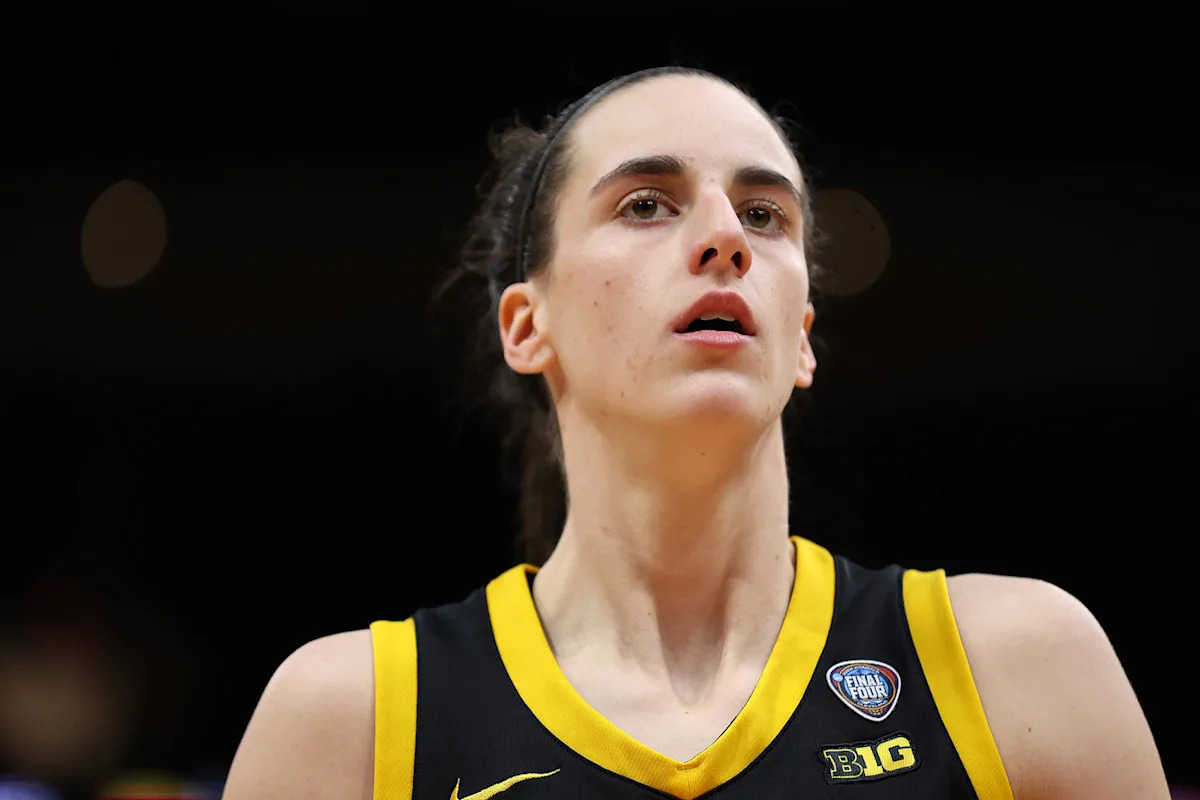
Caitlin Clark's WNBA Salary: Unpacking the Pay Disparity Outrage
The arrival of Caitlin Clark in the WNBA has undeniably sparked a revolution in women's basketball. Her record-shattering collegiate career at Iowa captivated millions, drawing unprecedented attention to the sport. As she transitioned from college superstar to the #1 overall pick in the 2024 WNBA Draft, the excitement was palpable. However, amidst the fanfare, another conversation quickly erupted: the perceived "shocking" nature of Caitlin Clark's WNBA salary, fueling widespread outrage over pay disparity in women's professional sports.
This article delves into the specifics of Clark's rookie contract, contextualizes it within the current WNBA financial landscape, and explores the dramatic shifts promised by the league's new Collective Bargaining Agreement (CBA). We'll unpack why these numbers ignite such strong reactions and what they signify for the future of WNBA salaries and athlete compensation.
Unpacking Caitlin Clark's Rookie Deal: The Numbers Behind the Outrage
As the first overall pick for the Indiana Fever in the 2024 WNBA Draft, Caitlin Clark is poised to sign a standard rookie contract. While the exact figures are tied to the league's rookie scale, her anticipated four-year deal is projected to be around $338,056 in total, with her first-year salary estimated at approximately $76,535. These figures, while substantial for many, immediately drew a stark contrast when compared to the earnings of her male counterparts in the NBA.
Consider the 2023 NBA first overall pick, Victor Wembanyama, who signed a four-year deal with the San Antonio Spurs worth an estimated $55 million. The sheer magnitude of this difference—tens of millions of dollars—is what ignited much of the public's "outrage." Social media platforms and news outlets buzzed with discussions highlighting the perceived unfairness, especially for a player of Clark's caliber and market-driving potential.
It's crucial to understand that these rookie salaries are not arbitrary. They are strictly dictated by the WNBA's Collective Bargaining Agreement, which establishes a tiered rookie scale for all draft picks. This system aims to create a structured and predictable pay model for incoming talent. However, the overall revenue generated by the WNBA historically pales in comparison to the NBA, directly impacting the size of these salary pools. This financial reality, combined with long-standing disparities in media rights, sponsorships, and institutional investment between men's and women's sports, forms the bedrock of the pay gap.
However, focusing solely on the base WNBA salary provides an incomplete picture for a player like Clark. Her unprecedented popularity means significant additional income streams:
- Endorsement Deals: Clark has already secured lucrative endorsement deals with major brands like Nike, Gatorade, State Farm, and Xfinity, many of which she carried over from her NIL (Name, Image, Likeness) days in college. These deals will undoubtedly dwarf her base WNBA salary.
- Merchandise Sales: Her jersey sales have already broken records, demonstrating her massive commercial appeal, which could lead to further revenue-sharing opportunities.
- Speaking Engagements and Appearances: As a high-profile athlete, Clark will command substantial fees for public appearances and speaking engagements.
While these supplemental earnings are vital for top WNBA players, they underscore the larger issue: the base league salary for even the most impactful players remains a significant point of contention, sparking a national conversation about the value placed on women's athletic talent.
The Broader Picture: WNBA Salary Caps and the New CBA's Promise
The discussion around Caitlin Clark's WNBA salary cannot be fully understood without examining the broader financial framework of the league. Historically, WNBA salaries have been modest, reflecting the league's growth trajectory and revenue generation. For instance, the WNBA salary cap in recent years has been a fraction of what is seen in men's professional leagues.
However, the WNBA is on the cusp of a transformative period thanks to its new Collective Bargaining Agreement. While Caitlin Clark's rookie deal falls under the immediate impact of the existing structure, the forthcoming changes promise a dramatically different landscape for future players and veteran stars alike. This new CBA, which will see its most significant shifts by 2026, signals a robust commitment to increasing player compensation and overall league professionalism.
Here’s a breakdown of the key financial projections under the new CBA:
- Soaring Salary Cap: The most significant change is the projected WNBA salary cap. From a current cap of around $1.5 million in 2025, it is expected to leap to approximately $7 million in 2026 and eventually surpass an astonishing $10 million by the end of the deal. This monumental increase reflects the league's surging popularity and growing commercial viability. To dive deeper into these changes, read our article: WNBA Salary Cap Soars: What the New CBA Means for Player Pay.
- Supermax Contracts: The "supermax" designation for elite players is set for a substantial boost, projected to start at $1.4 million in 2026. This is a considerable jump from previous supermax figures, recognizing and rewarding the league's top talent more appropriately.
- Rising Average and Minimum Salaries: The average WNBA salary is set to rise significantly, projected to reach around $600,000. Furthermore, the minimum salary will surpass $300,000, providing a much stronger financial foundation for all players in the league. For a comprehensive look at the progression of earnings, explore: WNBA Salaries: From Rookie Deals to the New $10M Cap Future.
- Revenue Share: A key component of the new CBA is a more robust revenue-sharing system, expected to be nearly 20% across the agreement's duration. While the exact structure is still being finalized, this ensures players directly benefit from the league's overall financial success.
Beyond the financial figures, the new CBA also pledges to enhance player benefits, codify charter travel for increased comfort and safety, and establish higher professional standards across the board. These non-monetary improvements are crucial for player well-being and the league's long-term sustainability.
Bridging the Gap: Addressing WNBA Pay Disparity and Future Outlook
The outrage surrounding Caitlin Clark's WNBA salary is a symptom of a much larger issue: the systemic pay disparity between men's and women's professional sports. This gap is not merely a reflection of individual talent but a complex interplay of historical underinvestment, media visibility, sponsorship dollars, and societal perceptions.
However, players like Caitlin Clark are undeniably powerful catalysts for change. Her gravitational pull has demonstrably increased viewership, attendance, and merchandise sales for women's basketball. This surge in interest directly translates to increased revenue, which, in turn, strengthens the WNBA's position in future CBA negotiations and media rights deals.
Here are key strategies and factors that will help bridge the pay gap in the WNBA:
- Increased Media Rights Deals: The current media rights deal for the WNBA is relatively modest compared to its burgeoning popularity. A new, significantly more lucrative media deal is anticipated, which will inject substantial revenue into the league, directly impacting salary caps and player earnings.
- Corporate Sponsorship and Investment: As the WNBA's audience grows, so does its appeal to corporate sponsors. Increased investment from brands translates to more resources for the league and its players.
- Fan Engagement and Attendance: Continued growth in fan attendance and engagement, driven by stars like Clark, proves the market value of women's basketball, making it a more attractive investment for all stakeholders.
- Player Advocacy: The WNBPA (Women's National Basketball Players Association) plays a vital role in negotiating for better pay and conditions, exemplified by their successful push for the new CBA.
- Ownership Investment: Owners who are committed to investing in their teams, facilities, and player development contribute to the overall health and profitability of the league, enabling higher salaries.
The new CBA represents a significant step forward, but it's a journey, not a destination. While Caitlin Clark's initial WNBA salary might appear modest in comparison to her male peers, her impact—and the subsequent financial growth she helps generate—will undoubtedly pave the way for future generations of WNBA stars to earn even higher compensation. The league is demonstrating a clear commitment to valuing its athletes and their contributions, setting a positive precedent for the future of professional women's sports.
Conclusion
The conversation ignited by Caitlin Clark's WNBA salary is more than just about one athlete's pay; it's a powerful spotlight on the evolving landscape of women's professional sports. While her rookie contract highlights the existing pay disparity when compared to the NBA, it's crucial to view this within the context of a rapidly growing league on the cusp of unprecedented financial expansion. The new Collective Bargaining Agreement promises a future where WNBA salaries, supermax deals, and overall player benefits reach historic highs, reflecting the increasing value and popularity of women's basketball.
Caitlin Clark's star power is a major driver of this change, pushing the league into new territories of viewership and commercial success. While the outrage over her initial WNBA salary is understandable, it also serves as a crucial conversation starter, accelerating the movement towards more equitable pay in sports. The future looks brighter than ever for WNBA players, with a clear trajectory towards significantly higher compensation as the league continues to capitalize on its remarkable momentum.